info@gassafe1.com
 0121 503 0066 / 07514 905361



Why an Annual Boiler Service Is Worth Every Penny
27 August 2026 « Back to Blog Posts
Most people only think about their boiler on the morning it stops working. It is usually cold, it is usually a weekend, and the repair is usually more expensive than it needed to be. An annual service is the cheapest way to avoid that morning — and for many homeowners it is the difference between the manufacturer paying for a major repair and you paying for it.
1. Safety is the first reason, and it is not a formality
A gas boiler burns fuel inside your home. When something goes wrong with combustion or the flue, the by-product is carbon monoxide — a gas you cannot see, smell or taste. The Health and Safety Executive reports that around seven people a year die from carbon monoxide poisoning caused by gas appliances that were badly installed, poorly ventilated or simply not maintained. Many more are made ill without knowing why, because the symptoms look like a run of winter colds.
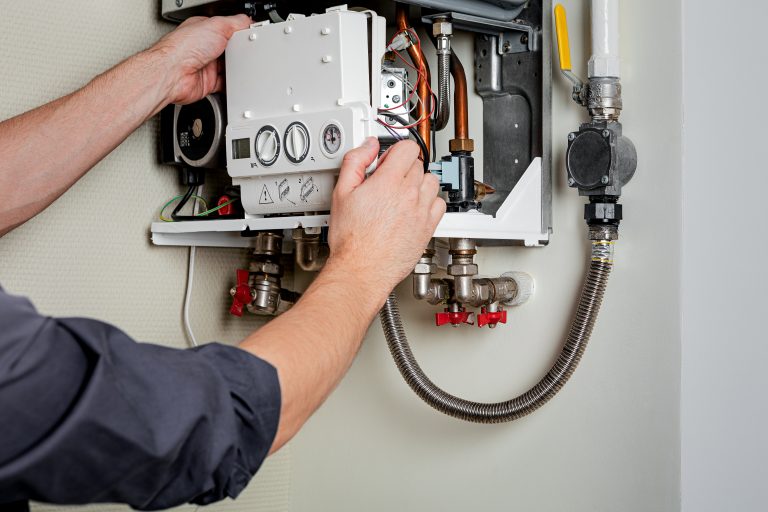
A service checks the things you cannot: combustion quality measured with a flue gas analyser, the flue and its seals, ventilation, gas pressure and tightness, the heat exchanger and burner, and every safety device. A carbon monoxide alarm is a sensible second line of defence, but it only tells you carbon monoxide is already in the room. A service stops it being produced.
2. Your warranty almost certainly depends on it
This is the one that catches people out. Modern boilers come with guarantees of ten years, and up to twelve on some models — but that cover is conditional.
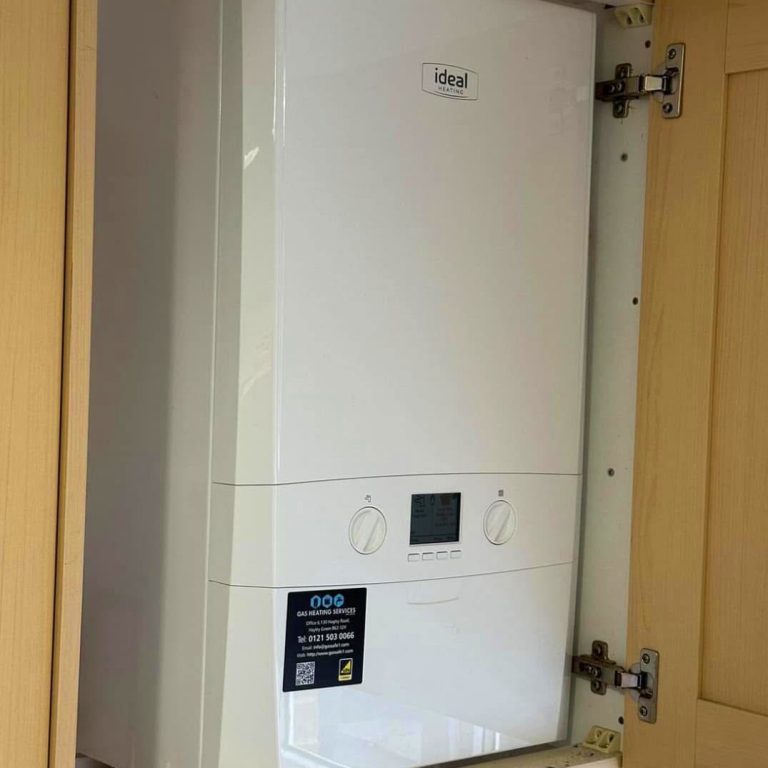
Manufacturers require the boiler to be serviced every twelve months by a Gas Safe registered engineer, and recorded. Ideal Heating’s terms state that at the end of each twelve-month period following installation the boiler must be serviced by a Gas Safe registered engineer, or the warranty will lapse. Lapse means gone — not paused. If a major component fails in year six and you skipped the year-four service, that bill is yours.
Two things to watch: register the boiler within 30 days of installation or cover can drop to 12 months, and keep your Benchmark logbook stamped. If you ever claim, the manufacturer will ask for proof.
3. An unserviced boiler quietly costs you money
Heating is the biggest item on most energy bills, and a boiler running poorly does not announce it — it simply burns more gas for the same warmth, spread across twelve monthly payments where nobody notices. The usual causes are undramatic and easily corrected: poor combustion, a partially blocked condensate trap or heat exchanger, sludge circulating in the system, pressure set wrong, short cycling, or controls that have drifted out of calibration. None of these stop your heating working. All of them make it more expensive.
4. Small faults are cheap. The same faults a year later are not
Boilers rarely fail without warning. They fail after months of small symptoms nobody was looking for — pressure dropping each week, a slight weep on a fitting, a pump starting to sound tired. Replacing a seal or a failing diverter valve while it is still only failing is straightforward. Left alone, it takes out more expensive components with it, and it tends to pick December to do so.
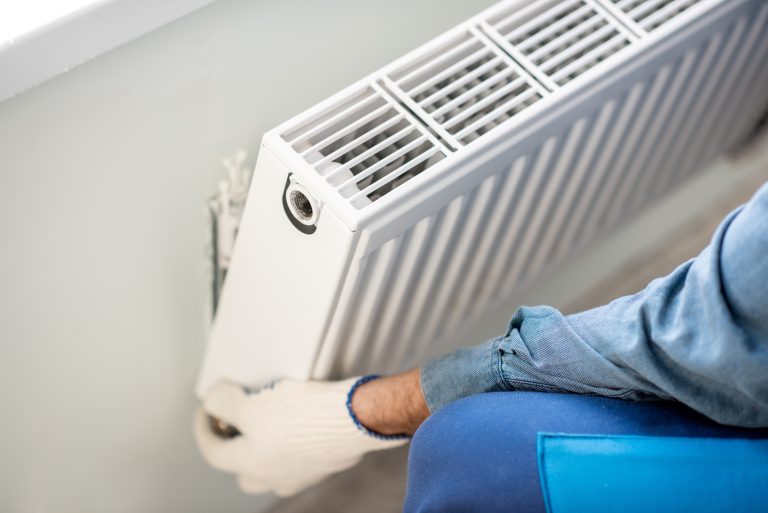
There is a longer-term point too. Clean system water, correct pressure and healthy combustion protect the heat exchanger, pump and radiators. A boiler serviced every year stands a real chance of reaching the far end of its expected life. Servicing is not an expense competing with replacing your boiler — it is what puts that replacement off.
5. Insurers and cover providers expect to see it
Standard buildings and contents insurance does not usually cover boiler breakdown itself. Where it matters is the damage a failure causes, and the maintenance conditions in the small print. Most home insurance policies, boiler cover products and home emergency add-ons only pay out where the appliance has been reasonably maintained — generally taken to mean serviced annually, with records. Insurers routinely exclude wear, tear and neglect, and a boiler untouched for four years is an easy argument for them to make. Policies vary, so check yours: a lot of people pay a monthly premium for cover they have quietly invalidated.
Why yearly, and why book before winter
Twelve months is not arbitrary. It is the interval manufacturers design and warrant around, the interval Gas Safe Register advises, and the interval written into most warranty and insurance conditions. It also matches how faults develop: roughly a year for combustion to drift, deposits to build and inhibitor levels to fall away. Book between August and October and any fault is an inconvenience rather than a crisis — and you are not competing with the whole of the Black Country for an engineer in December.
One clarification worth making: a landlord gas safety check (CP12) is a legal safety inspection for rented property, not a service. It does not include the maintenance work above. Landlords usually need both, and they are best done on the same visit.
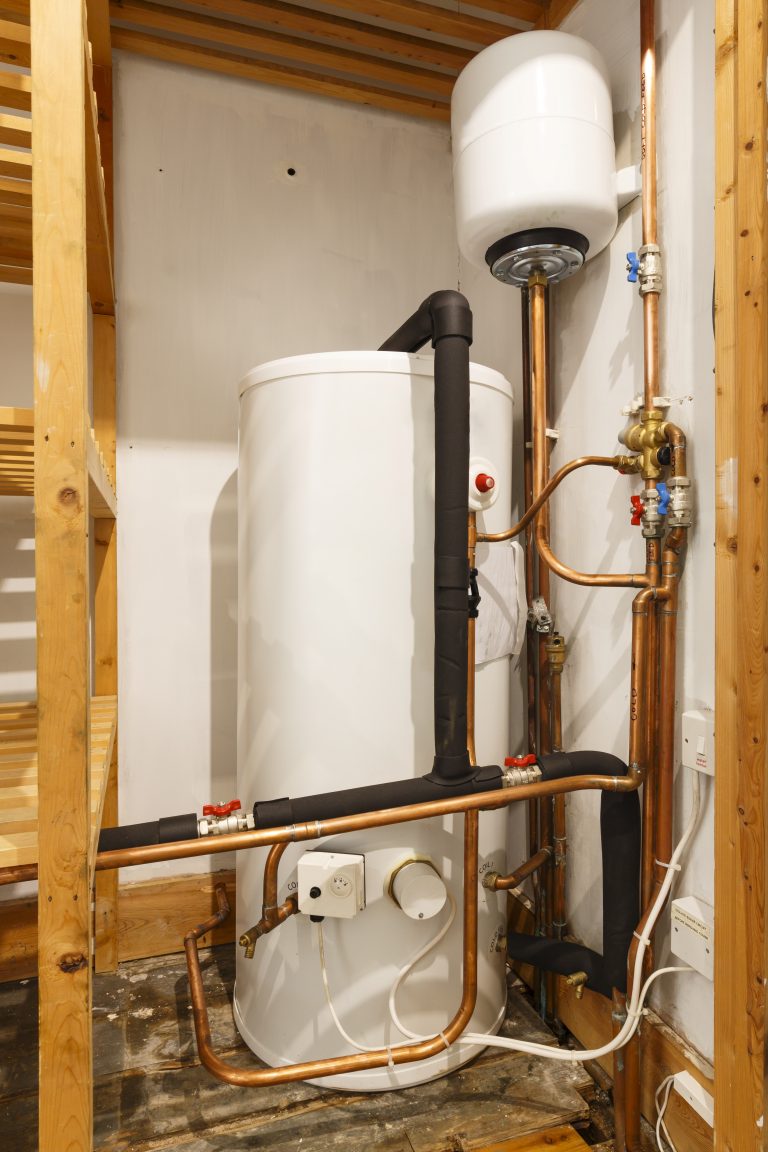
It is not only boilers, either. Ducted warm air systems — very common around Halesowen and Stourbridge — should be serviced yearly without exception, and Johnson & Starley units need an engineer who knows them. Gas range cookers and unvented hot water cylinders have their own annual requirements too.
Book your annual service with GasSafe1
We are a family-run, Gas Safe registered heating firm in Halesowen with over 40 years of collective experience across Halesowen, Stourbridge and the surrounding West Midlands. Which? Trusted Traders and Ideal accredited installers, servicing boilers, warm air systems, unvented cylinders and range cookers.
You get a thorough service, a clear written record for your warranty, and straight advice about anything we find. Call 0121 503 0066 or use our contact form to book.