info@gassafe1.com
 0121 503 0066 / 07514 905361




Smart Thermostats: What Actually Cuts Your Heating Bill
21 October 2026 « Back to Blog Posts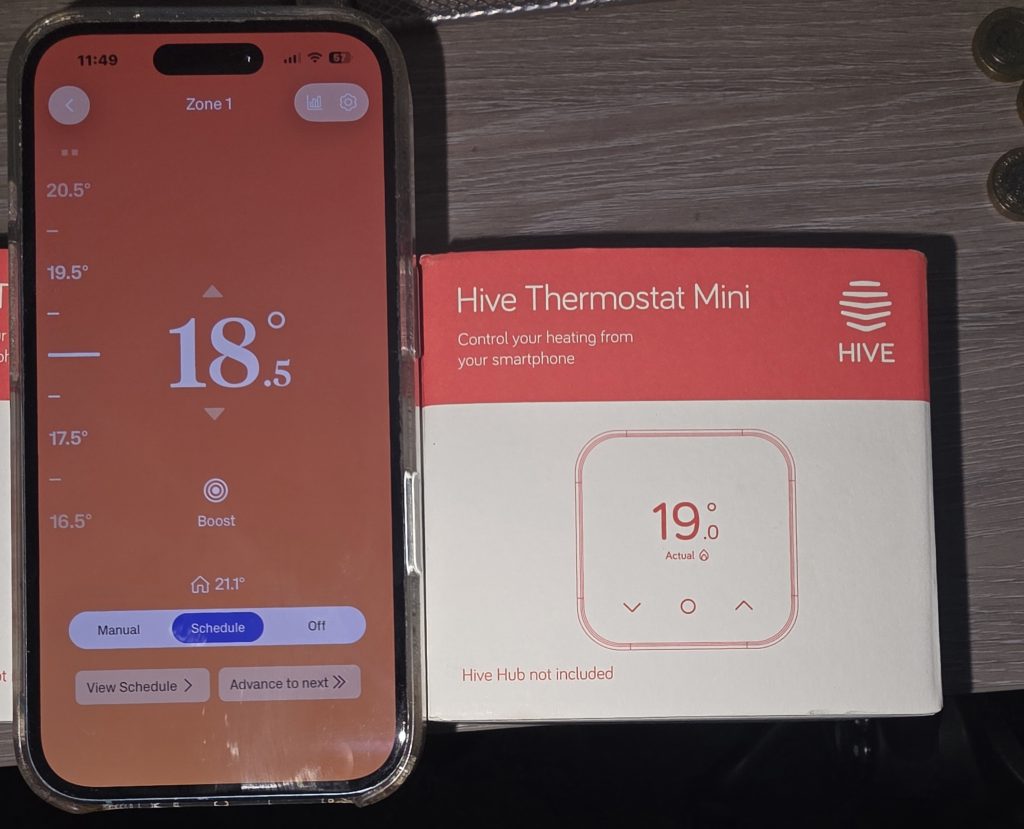
Every autumn the adverts make the same promise: fit a smart thermostat and watch your heating bill fall. Some people do save money. Plenty of others fit one, use the app for a fortnight and never see a difference. The gap between the two is rarely the brand on the box. It is what the thermostat is connected to, and how it has been set up.
Most of the saving comes from the basics
The Energy Saving Trust’s current figures are a useful reality check. Installing heating controls (a programmer, a room thermostat and thermostatic radiator valves) and using them effectively could save around £100 a year. Turning the room thermostat down by a single degree, from 22°C to 21°C, could save around £120. For most people the lowest comfortable setting is somewhere between 18°C and 21°C.
None of that needs an app. What a smart thermostat does is make those same habits easier to keep: a schedule you can change in seconds, heating you can turn off from work when plans change, and a system that notices when the house is empty. If your routine is irregular, that is worth having. If you are at home all day on a steady pattern, a well-set programmer will get you most of the way.
What “smart” really adds
- Control from your phone, wherever you are
- Schedules that are easy to see and easy to change
- Location features that turn the heating down when the last person leaves and back up as the first comes home
- Learning features that adjust to how you actually use the house
All useful. None of them makes the boiler itself run any more efficiently. For that you need the next part.
The feature that matters most, and is never in the adverts
A traditional thermostat is a switch. The room is cold, so the boiler runs flat out. The room reaches temperature, so the boiler stops. The result is a boiler that spends the winter sprinting and resting, rooms that overshoot, and water coming back to the boiler too hot for it to condense properly.
A modulating control works differently. It tells the boiler how much heat the house needs, and the boiler turns its output down as the room approaches the set temperature. The trade names for this are load compensation and OpenTherm. Ideal Heating describe the effect well: the boiler operates “at the minimum rate” needed, which “maximises operating efficiency”. It is the same principle we covered in our post on radiators: the cooler a condensing boiler can run, the less gas it wastes.
Here is the catch. Many smart thermostats, particularly older ones, can only switch the boiler on and off. Others can modulate it, but only if the boiler speaks the same control language and the installer wires it that way. Fit the cleverest thermostat on the market as a simple on/off switch and you have bought a remote control, not an efficiency upgrade.
A close relative is weather compensation, where a small outdoor sensor lets the boiler ease off on mild days. It is available as an accessory for many modern boilers and is worth asking about.
If you are having a new boiler, you are getting some of this anyway
Since April 2018, the Boiler Plus rules in England have required every new gas boiler to be fitted with time and temperature controls. A replacement combi must also have one of four extra measures: load compensation, weather compensation, flue gas heat recovery, or smart controls with automation and optimisation.
So when you replace a boiler, the question is not whether you get better controls but which ones. That is a choice worth making deliberately, not leaving to whatever happens to be on the van.
Heating the rooms you use
A single thermostat in the hall treats the whole house as one room. Zoning splits it up. In a larger home that can mean separate heating circuits for upstairs and downstairs. In most homes the practical route is smart radiator valves, which give each room its own temperature and schedule: the home office warm at nine, the spare room barely ticking over, the bedrooms warm only at bedtime.
It has to be designed, though. The boiler always needs somewhere to send its heat, and a system where valves are closing all over the house has to be balanced and set up to cope. Done badly, zoning brings noise, short cycling and a boiler that wears out early.
Check how long it will be supported
A smart thermostat depends on its maker’s app and servers. In October 2025 Google ended support for its first and second generation Nest Learning Thermostats. They still work from the dial on the wall, but they can no longer be controlled from a phone. Google has also said it will not launch new Nest thermostats in Europe, because of the variety of heating systems here. If you have an older Nest, it is worth planning its replacement before you need to.
The broader lesson is to choose a control that still does its core job properly without the internet.
A note for warm air homes
If your home has warm air heating, take extra care. Johnson & Starley state that their heat-only WarmCair heaters need OpenTherm controls, and that fitting anything else invalidates the guarantee. Most off-the-shelf smart thermostats are designed around boilers and radiators, so check compatibility before you buy.
What to check before you buy
- Which boiler you have, and whether it supports modulating control
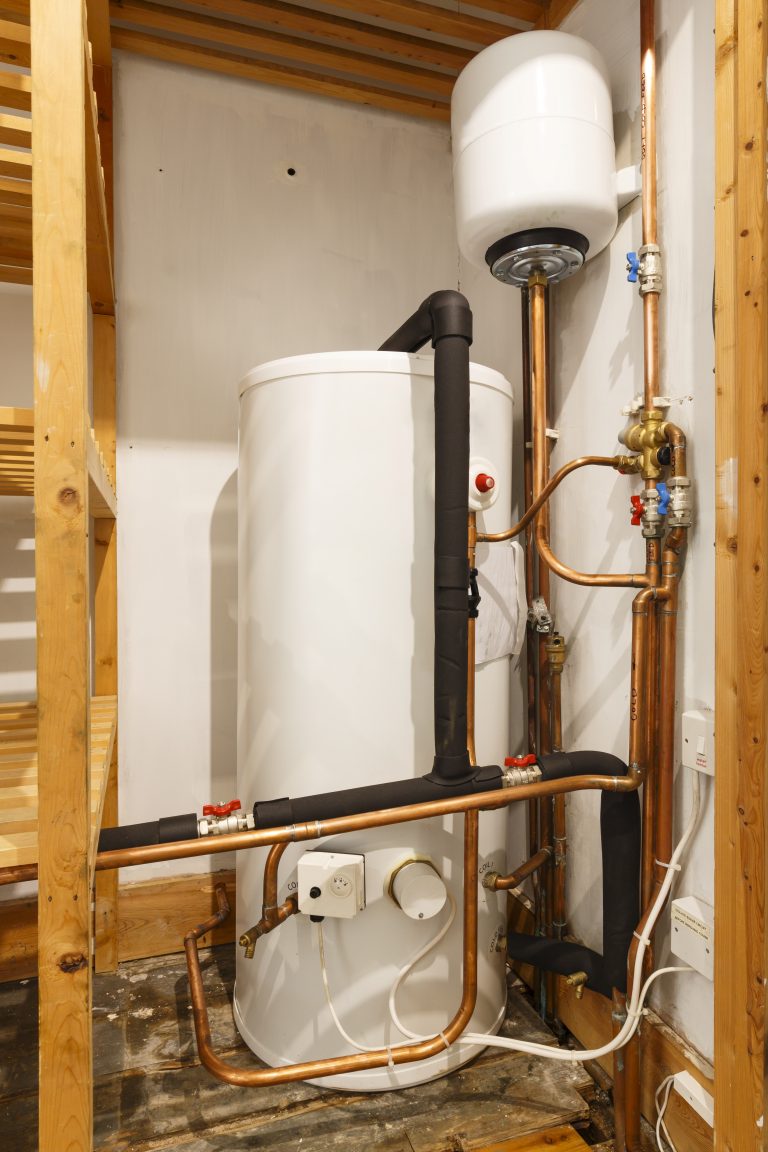
- Whether you have a combi or a hot water cylinder, because a cylinder needs its own control
- What wiring is already in place at the boiler and at the thermostat
- Whether you want one zone or room-by-room control
- Who else needs to use it. Not everyone in the house wants to open an app to turn the heating up
Get your heating controls set up properly
We are a family-run, Gas Safe registered heating firm in Halesowen with over 40 years of collective experience across Halesowen, Stourbridge and the surrounding West Midlands. We install and configure smart thermostats and heating controls from the main manufacturers, including Hive, Tado, Drayton, Honeywell and EPH Controls, and as Ideal accredited installers we know how to get the best from Ideal’s own controls.
We check your boiler, wiring and system first, recommend what suits it, and set it up so that it saves money and does not just look clever. Call 0121 503 0066 or use our contact form to arrange a visit.