Boiler breakdown or no heating? Our Gas Safe registered engineers are ready to help.

Landlord Gas Safety Checks: What the Law Actually Requires

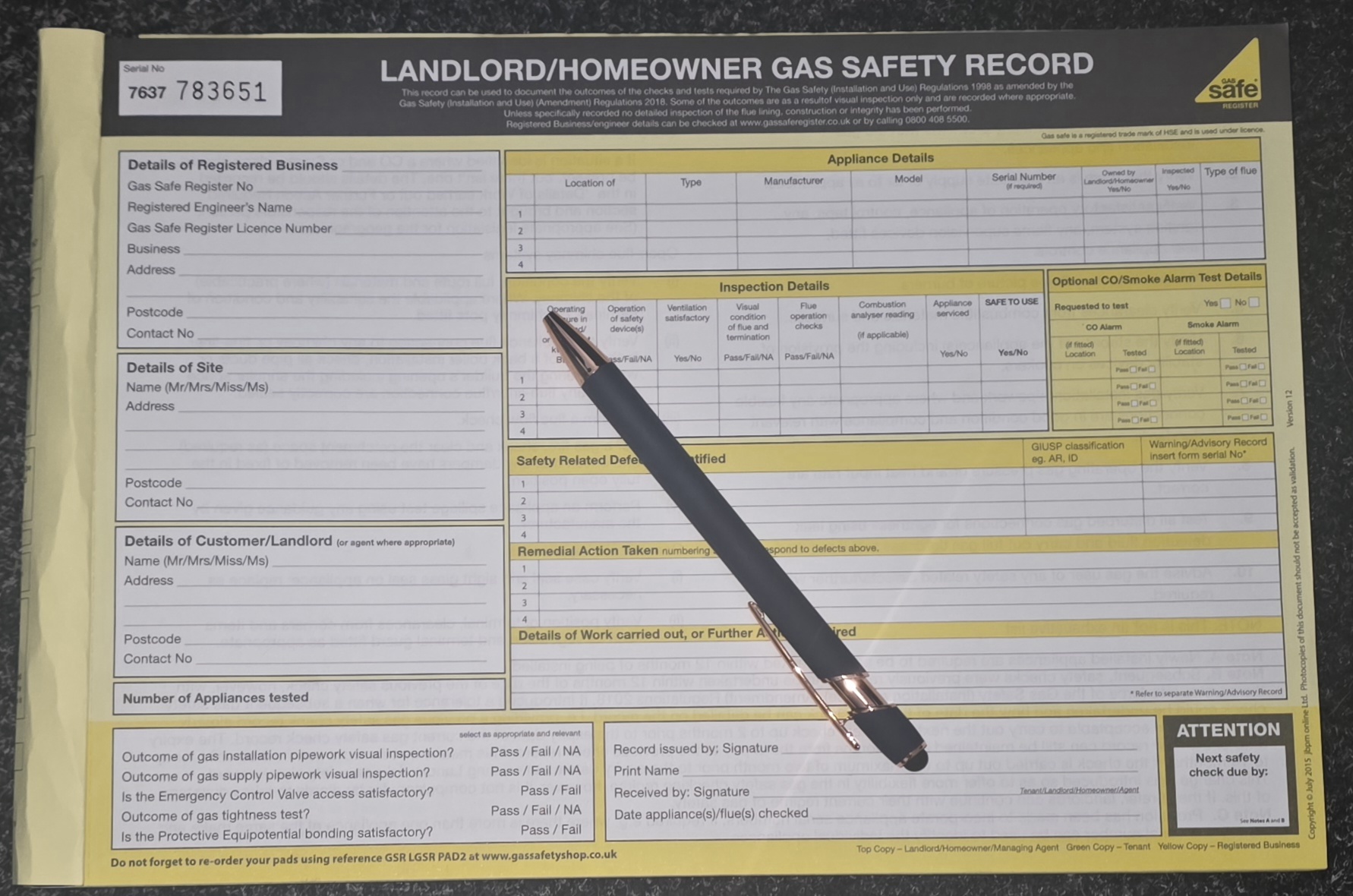
Most landlords know they need “a CP12” every year. Fewer could say exactly what it covers, when the twelve months really runs from, or what else the law expects of them. The rules are short and not complicated, but they are enforced by the Health and Safety Executive (HSE) and breaking them is a criminal offence. It is worth ten minutes to get them straight.

Three duties, not one

The Gas Safety (Installation and Use) Regulations 1998 give landlords three separate jobs:

  1. An annual gas safety check on every gas appliance and flue you provide, carried out by a Gas Safe registered engineer.
  2. A record of that check, given to your tenants.
  3. Maintenance: keeping gas pipework, appliances and flues in a safe condition all year round.

Most of the trouble landlords get into comes from treating the first as if it took care of the other two.

The definition of a landlord is also wider than people expect. It covers houses, flats and HMOs, and the HSE is clear that taking in a paying lodger makes you a landlord for these purposes too.

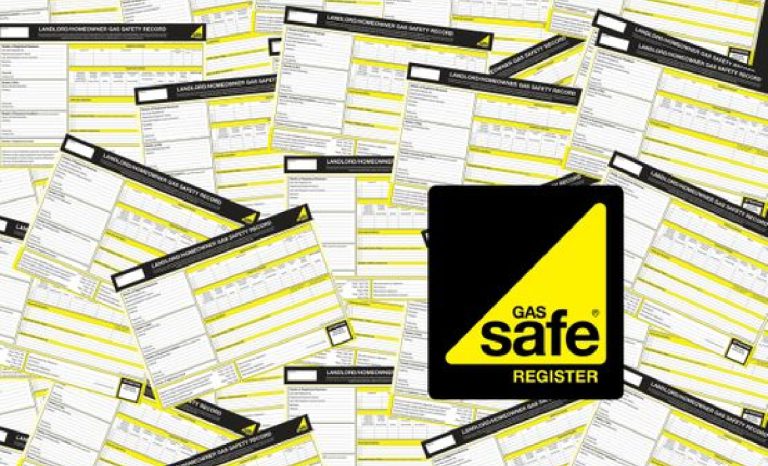
What “CP12” means

The name is a leftover. It stands for CORGI Proforma 12, from the days before Gas Safe Register replaced CORGI in 2009. The proper title is the Landlord Gas Safety Record, but everyone in the trade still calls it a CP12, and so do we.

The deadline, and the two-month window

The check must be done every twelve months. There is no grace period afterwards: a record that expired last week is an expired record.

What many landlords miss is the flexibility at the other end. Since 2018 the regulations have worked like an MOT. You can have the check done up to two months before it is due and still keep the original expiry date. Have it done in month eleven and next year’s deadline does not creep forward. Go earlier than ten months and the clock simply resets from the new date. Go later than twelve and you are already in breach.

Two more timing rules matter:

  • A new appliance needs its first check within twelve months of being installed.
  • Before a new tenancy starts, the check must have been done within the previous twelve months. A record that is still in date can be passed straight to the new tenant.

What the engineer checks

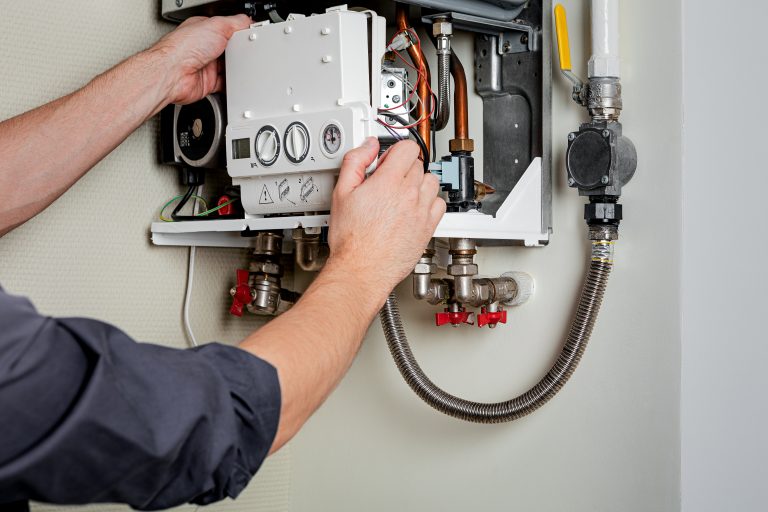
A landlord gas safety check covers every gas appliance you provide, such as the boiler, a gas fire, a hob or a cooker, and the flues that serve them. The engineer confirms that each appliance is burning safely, that flues are carrying combustion gases away, that ventilation is adequate and that safety devices work.

We also carry out a gas tightness test on the pipework. The annual check does not strictly require it, but the HSE recommends it and so do we.

The record must then show the address, your name and address (or your agent’s), each appliance and flue checked and where it is, the date, any defect found and what was done about it, and the engineer’s name, signature and Gas Safe registration number. If a defect is found, you are required to deal with it.

A safety check is not a service

This is the misunderstanding that costs landlords most. A gas safety check confirms an appliance is safe to use on the day. It does not involve stripping, cleaning or adjusting anything. The HSE puts it bluntly: you should not assume “that carrying out an annual gas safety check will be sufficient to provide effective maintenance”.

Your maintenance duty is separate. The HSE’s guidance is that appliances and flues should be serviced in line with the manufacturer’s instructions, or annually where those are not available. There is a commercial reason too: boiler manufacturers make an annual service a condition of the warranty. A boiler that has had six CP12s and no services is safe on paper and out of warranty.

The sensible answer is to have both done on the same visit: one appointment, one disruption for the tenant, and both sets of paperwork.

Appliances that belong to the tenant

If your tenant brings their own cooker or fire, the appliance itself is their responsibility, not yours. The pipework that feeds it is still yours to maintain, and the HSE recommends including any flue it is connected to in your check. Note tenant-owned appliances on your own records, so there is no argument later about who was responsible for what.

Records and paperwork

  • Give existing tenants a copy within 28 days of the check.
  • Give new tenants a copy before they move in.
  • For lets of less than 28 days, display a copy in the property.
  • Keep each record until at least two further checks have been done, which means a minimum of two years.

You can store records electronically, provided they can be printed when needed, are secure and identify the engineer. You can also send the tenant an electronic copy if they are happy to receive it that way and can open it, but you must give them a paper copy if they ask. Either way, keep proof of when and how you sent it.

If the tenant will not let you in

You must not force entry. What the law asks is that you can show you took all reasonable steps. The HSE’s advice is to leave a notice saying an attempt was made, with your contact details, then write explaining that the check is a legal requirement and is for the tenant’s own safety, and invite them to arrange an appointment that suits them. Inspectors will look for at least three attempts, although what counts as reasonable depends on the circumstances. Keep a record of every letter, message and visit.

Carbon monoxide alarms

Separate rules cover alarms. Since 1 October 2022, landlords in England must fit a carbon monoxide alarm in every room used as living accommodation that contains a fixed combustion appliance, which includes a gas boiler or a gas fire. Gas cookers are excluded. You must check that alarms work on the first day of a new tenancy, and repair or replace a faulty one once the tenant reports it. Ignoring a remedial notice from the council can mean a fine of up to £5,000. These alarm rules do not apply to a lodger sharing your own home, although an alarm there is still a sensible precaution.

Section 21 has gone. The duty has not

For years, many landlords thought about gas certificates mainly in terms of possession, because a Section 21 notice could fail if the tenant had not been given the gas safety record. Section 21 “no-fault” evictions ended for private landlords in England on 1 May 2026, and it would be easy to assume the paperwork now matters less.

It does not. The gas safety regulations are health and safety law, enforced by the HSE, and they have not changed. In the HSE’s words, a landlord who breaks them is “putting lives at risk and breaking the law”, and enforcement “could result in a substantial fine and/or a custodial sentence”.

A simple routine that keeps you compliant

  1. Put the expiry date in your diary and book the check for month eleven.
  2. Have the boiler serviced on the same visit.
  3. Send the tenant their copy within 28 days, and keep proof.
  4. File the record where you can find it, and keep it until two further checks have been done.
  5. Test the carbon monoxide and smoke alarms at the start of every tenancy.

This article is a guide to the main rules in England, not legal advice. If your situation is unusual, read the HSE’s guidance for landlords or take advice.

Book your landlord gas safety check

We are a family-run, Gas Safe registered heating firm in Halesowen with over 40 years of collective experience. We work for landlords and letting agents across Halesowen, Stourbridge and the surrounding West Midlands, from single properties to portfolios and HMOs.

We can carry out the safety check and the annual service on the same visit, and you get a clear record for your files and your tenant. Call 0121 503 0066 or use our contact form to book.

Smart Thermostats: What Actually Cuts Your Heating Bill

Every autumn the adverts make the same promise: fit a smart thermostat and watch your heating bill fall. Some people do save money. Plenty of others fit one, use the app for a fortnight and never see a difference. The gap between the two is rarely the brand on the box. It is what the thermostat is connected to, and how it has been set up.

Most of the saving comes from the basics

The Energy Saving Trust’s current figures are a useful reality check. Installing heating controls (a programmer, a room thermostat and thermostatic radiator valves) and using them effectively could save around £100 a year. Turning the room thermostat down by a single degree, from 22°C to 21°C, could save around £120. For most people the lowest comfortable setting is somewhere between 18°C and 21°C.

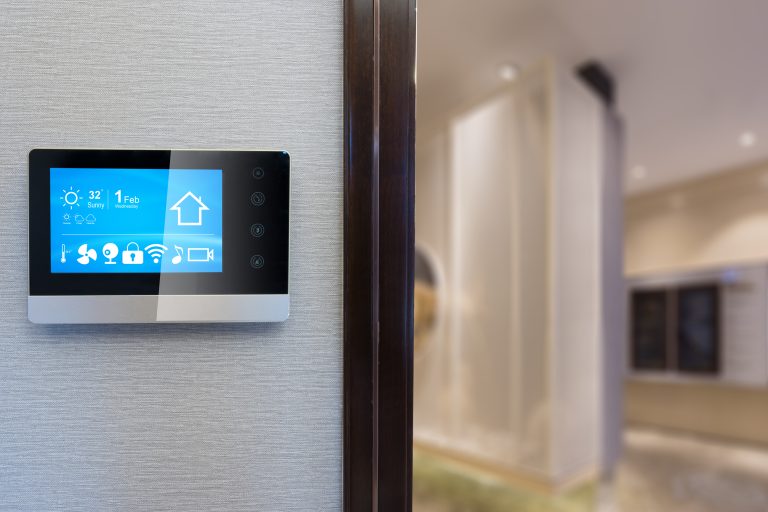
None of that needs an app. What a smart thermostat does is make those same habits easier to keep: a schedule you can change in seconds, heating you can turn off from work when plans change, and a system that notices when the house is empty. If your routine is irregular, that is worth having. If you are at home all day on a steady pattern, a well-set programmer will get you most of the way.

What “smart” really adds

  • Control from your phone, wherever you are
  • Schedules that are easy to see and easy to change
  • Location features that turn the heating down when the last person leaves and back up as the first comes home
  • Learning features that adjust to how you actually use the house

All useful. None of them makes the boiler itself run any more efficiently. For that you need the next part.

The feature that matters most, and is never in the adverts

A traditional thermostat is a switch. The room is cold, so the boiler runs flat out. The room reaches temperature, so the boiler stops. The result is a boiler that spends the winter sprinting and resting, rooms that overshoot, and water coming back to the boiler too hot for it to condense properly.

A modulating control works differently. It tells the boiler how much heat the house needs, and the boiler turns its output down as the room approaches the set temperature. The trade names for this are load compensation and OpenTherm. Ideal Heating describe the effect well: the boiler operates “at the minimum rate” needed, which “maximises operating efficiency”. It is the same principle we covered in our post on radiators: the cooler a condensing boiler can run, the less gas it wastes.

Here is the catch. Many smart thermostats, particularly older ones, can only switch the boiler on and off. Others can modulate it, but only if the boiler speaks the same control language and the installer wires it that way. Fit the cleverest thermostat on the market as a simple on/off switch and you have bought a remote control, not an efficiency upgrade.

A close relative is weather compensation, where a small outdoor sensor lets the boiler ease off on mild days. It is available as an accessory for many modern boilers and is worth asking about.

If you are having a new boiler, you are getting some of this anyway

Since April 2018, the Boiler Plus rules in England have required every new gas boiler to be fitted with time and temperature controls. A replacement combi must also have one of four extra measures: load compensation, weather compensation, flue gas heat recovery, or smart controls with automation and optimisation.

So when you replace a boiler, the question is not whether you get better controls but which ones. That is a choice worth making deliberately, not leaving to whatever happens to be on the van.

Heating the rooms you use

A single thermostat in the hall treats the whole house as one room. Zoning splits it up. In a larger home that can mean separate heating circuits for upstairs and downstairs. In most homes the practical route is smart radiator valves, which give each room its own temperature and schedule: the home office warm at nine, the spare room barely ticking over, the bedrooms warm only at bedtime.

It has to be designed, though. The boiler always needs somewhere to send its heat, and a system where valves are closing all over the house has to be balanced and set up to cope. Done badly, zoning brings noise, short cycling and a boiler that wears out early.

Check how long it will be supported

A smart thermostat depends on its maker’s app and servers. In October 2025 Google ended support for its first and second generation Nest Learning Thermostats. They still work from the dial on the wall, but they can no longer be controlled from a phone. Google has also said it will not launch new Nest thermostats in Europe, because of the variety of heating systems here. If you have an older Nest, it is worth planning its replacement before you need to.

The broader lesson is to choose a control that still does its core job properly without the internet.

A note for warm air homes

If your home has warm air heating, take extra care. Johnson & Starley state that their heat-only WarmCair heaters need OpenTherm controls, and that fitting anything else invalidates the guarantee. Most off-the-shelf smart thermostats are designed around boilers and radiators, so check compatibility before you buy.

What to check before you buy

  • Which boiler you have, and whether it supports modulating control
  • Whether you have a combi or a hot water cylinder, because a cylinder needs its own control
  • What wiring is already in place at the boiler and at the thermostat
  • Whether you want one zone or room-by-room control
  • Who else needs to use it. Not everyone in the house wants to open an app to turn the heating up

Get your heating controls set up properly

We are a family-run, Gas Safe registered heating firm in Halesowen with over 40 years of collective experience across Halesowen, Stourbridge and the surrounding West Midlands. We install and configure smart thermostats and heating controls from the main manufacturers, including Hive, Tado, Drayton, Honeywell and EPH Controls, and as Ideal accredited installers we know how to get the best from Ideal’s own controls.

We check your boiler, wiring and system first, recommend what suits it, and set it up so that it saves money and does not just look clever. Call 0121 503 0066 or use our contact form to arrange a visit.

Warm Air Heating: Keep It, Upgrade It or Convert?

If your home has grilles in the floors or walls where other houses have radiators, and a tall cupboard somewhere in the middle of the house that hums when the heating comes on, you have warm air heating. It went into a great many homes on the estates built around Halesowen, Stourbridge and the wider Black Country from the 1960s to the 1980s, and plenty of those systems are still running.

Sooner or later, most owners are told the same thing by an engineer who has come to look at it: it is obsolete, nobody works on these any more, and it all needs ripping out for radiators. Sometimes that is the right advice. Far more often it is what you are told by someone who is not qualified to touch it. Here is what your options really are.

How warm air works, and why people keep it

A warm air heater burns gas to heat air directly, and a fan pushes that air through ducts to grilles in each room. There is no water in the heating circuit at all. That brings some real advantages: the house warms up quickly, there are no radiators taking up wall space, and there are no heating pipes to leak or freeze.

The usual complaints are dust, draughts and uneven temperatures. These nearly always trace back to a clogged filter, a tired fan or an old on/off thermostat, not to the idea of warm air itself. A system in good order is quiet and comfortable.

Not every Gas Safe engineer can work on it

This is the part most owners are never told. Gas Safe registration is not a single licence. Each engineer is qualified for specific categories of work, and ducted warm air heaters are a category of their own, with a separate assessment (known in the trade as DAH1). An engineer who is fully qualified on boilers is not automatically allowed to work on your warm air unit.

Because radiator systems are so much more common, most engineers never take the warm air qualification. That is why so many owners struggle to find anyone to service their system, and why “rip it out” is such a common recommendation. Before anyone works on yours, ask to see their Gas Safe ID card. The categories they are qualified for are listed on the back, and warm air should be one of them.

Warm air heating is a core part of our work, and Johnson & Starley units in particular.

Service it every year, without exception

With a boiler, the products of combustion and the water in your radiators never come near each other. In a warm air heater, the only thing separating the burner from the air blown into every room is the heat exchanger. If that cracks or corrodes, combustion gases can be carried into the airstream. Many older units also draw the air they burn from inside the house, so a blocked or covered vent is a real hazard, not a technicality.

That is why a warm air service matters so much. A proper one covers:

  • A full safety inspection and gas checks
  • Cleaning the burner, heat exchanger and filter
  • Airflow and fan performance
  • Thermostat and control testing
  • Carbon monoxide checks
  • An efficiency and performance assessment

Between services, the one job that falls to you is the filter. A blocked filter is behind a large share of poor heating and noise complaints. Ask your engineer to show you where it is and how to clean it.

Most faults can be repaired

Fans and motors, control boards, thermostats, ignition components and filters can all be replaced, and on a Johnson & Starley heater that usually means the unit carries on for years. Swapping an old on/off thermostat for a modern proportional control can transform comfort on its own, because the heater runs gently and steadily and stops blasting hot air and then going cold.

Repair stops making sense when the heat exchanger has failed on an old unit, when parts for a very old model can no longer be had, or when the heater is so inefficient that you are paying for it every month in gas.

A word about asbestos

Some older warm air heaters, and the flues and cupboards they were installed in, contain asbestos. Johnson & Starley say so plainly: depending on the age of the heater there is a possibility, and even where the heater itself is clear, it may be found in the installation around it. Left alone and in good condition it is not a cause for alarm. It is a very good reason not to let anyone start pulling an old unit out before it has been checked, and to use a firm that takes protecting your home seriously.

Upgrade option one: a new condensing warm air heater

If the heater has reached the end of its life but the ducts are sound, the simplest answer is a modern warm air heater in the same position. Johnson & Starley’s WarmCair range is built for this. The manufacturer says it will replace almost all existing warm air heaters and is made to fit onto existing ductwork, so the ducts and grilles you already have stay where they are.

The difference in running costs is real. WarmCair heaters are condensing appliances with thermal efficiencies of up to 98%, and Johnson & Starley quote fuel efficiency improvements of over 28% compared with older models. They are available with or without hot water, come with a five-year parts guarantee with labour included for the first two years, and can be fitted with electronic air filtration, which is worth knowing about if dust or pollen is a problem in your house.

One point on controls. Johnson & Starley state that their heat-only WarmCair models need OpenTherm controls, and that fitting anything else invalidates the guarantee. Not every smart thermostat is suitable, so check before you buy one.

Upgrade option two: keep the ducts, change the heat source

The second route is a heat interface unit such as the Johnson & Starley Aquair. It sits where the old heater was and uses the existing ducts, but there is no burner inside it. Hot water from a boiler passes through a coil, and the fan blows air across it.

This suits homes where you want a combi boiler for hot water on demand, or where you want to keep your options open. The Aquair works with gas, electric and oil boilers, and Johnson & Starley say it can be installed alongside an air or ground source heat pump. The ductwork you already own is not a dead end.

Option three: convert to radiators

Sometimes conversion is the right call: the house has been extended beyond what the ducts can serve, the ductwork itself is in poor condition, or you simply prefer radiators. It is the most disruptive of the three routes, because it means a new boiler and new pipework to every room. If you go this way, it is worth choosing the radiators properly while you are at it.

How to decide

  • The heater is safe and parts are available: service it, repair it and keep it.
  • The heater is worn out but the ducts are good: replace it with a condensing warm air heater or a heat interface unit.
  • The ducts are the problem, or the house has outgrown them: convert to radiators.

The mistake is skipping straight to the third because nobody qualified ever looked at the first two.

Talk to us about your warm air system

We are a family-run, Gas Safe registered heating firm in Halesowen with over 40 years of collective experience across Halesowen, Stourbridge and the surrounding West Midlands. We service, repair and upgrade warm air systems, with particular experience of Johnson & Starley heaters, and we are Which? Trusted Traders.

You get a thorough service, clear advice about what is worth repairing, and no pressure to replace something that does not need replacing. Call 0121 503 0066 or use our contact form to book.
Modernising Your Radiators: Vertical, Space-Saving and Smarter

Radiators are the forgotten half of a heating system. People spend carefully on a new boiler, then connect it to the same radiators that were on the wall in 1998 — corroded inside, undersized, and taking up the one stretch of wall where a dresser would fit. Upgrading them is one of the more satisfying jobs we do, because the difference is visible as well as felt.

Why old radiators hold a system back

Inside an ageing radiator, corrosion builds into a sludge that settles along the bottom. That is why old radiators go cold at the base while the top stays hot: the water is not circulating through the whole panel. Output drops, the boiler works harder to compensate, and rooms take longer to warm up. Single-panel radiators from the 1990s were also frequently undersized for the room even when new.

Modern panel radiators produce more heat from a smaller footprint, so an upgrade often means a better-heated room from a physically smaller unit. That is where the space starts coming back.

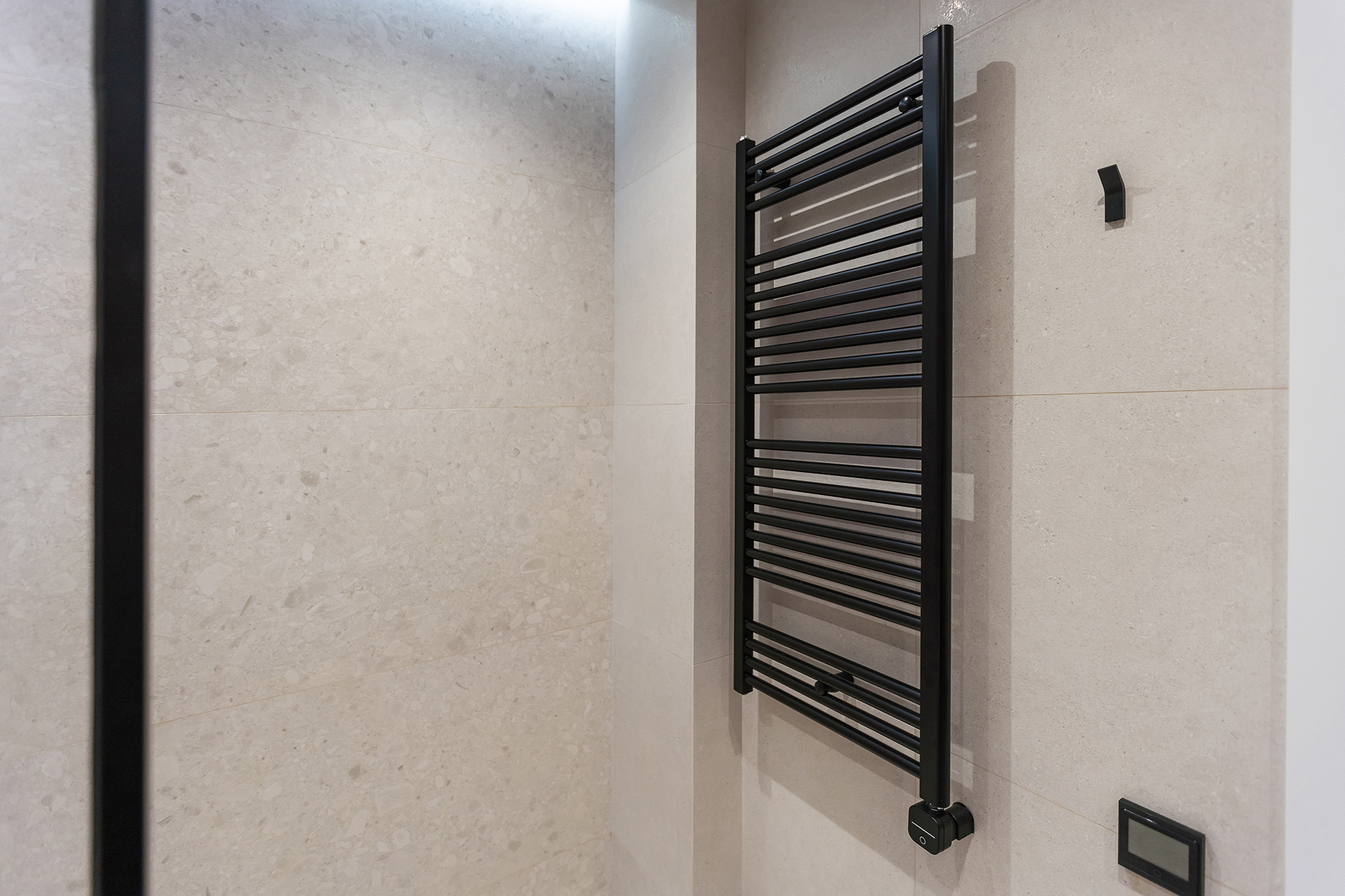
Vertical radiators: the answer to the wall-space problem

Vertical radiators use height instead of width. Instead of a metre and a half of wall that can never be used for anything else, you have a tall, narrow unit occupying a fraction of the space — often somewhere previously written off, like the strip beside a door or the return wall of a chimney breast.

The question we get asked is whether they are less efficient. The honest answer: in pure physics, marginally. A radiator draws cool air in at the bottom and releases warm air at the top, and a wider radiator draws in more air across its length. In a tall, narrow unit the air is largely up to temperature before it reaches the top, so the upper section does less work.

In practice this rarely matters, for two reasons. First, what counts is whether the radiator meets the room’s heat requirement, calculated properly in BTUs — if it does, the room is warm, and the shape is irrelevant. Second, horizontal radiators are constantly obstructed by sofas, curtains and units, which costs far more output than the theoretical difference. A vertical radiator on a clear wall frequently outperforms a horizontal one buried behind a corner suite.

The catch is that a vertical needs correct sizing and, usually, pipework moved — which is why it is worth having done properly rather than swapped like for like.

Kitchens: where every wall is already spoken for

Kitchens are the hardest room to heat well, because the walls are units, splashback, appliances or glazing. There is often nowhere sensible for a conventional radiator, and the one that is there blocks the only free run of worktop. Three options usually solve it:

  • A vertical radiator on a narrow section of wall — beside a door, at the end of a run of units, or on the return by a window. Often the neatest answer in a kitchen-diner, where it can be a design feature rather than something to hide.
  • A plinth or kickspace heater, fitted into the kickboard beneath the units and connected to the central heating. It is completely invisible, frees the wall entirely, and warms the floor area where you stand. In a small kitchen this is frequently the best solution available.
  • Underfloor heating, if the floor is coming up anyway. Highest cost and most disruption, but it removes the problem permanently and suits a tiled kitchen floor well.

Elsewhere in the house the same thinking applies: skirting-level heating along a wall in a room with no free space, a tall narrow radiator on a landing, or a heated towel rail in a utility doing two jobs at once.

The part most people miss: size them for lower temperatures

This is the point worth taking away. Most homes run their boiler hotter than they need to. Turning the flow temperature down lets a condensing boiler actually condense, which is where its efficiency comes from — the Energy Saving Trust points to research from Nesta showing that dropping to around 60°C improves boiler efficiency by close to 4%.

The reason people turn it back up is that their radiators are too small to heat the room at a lower temperature. Fit slightly larger or higher-output radiators and that constraint disappears: you can run the boiler cooler, permanently, and still be warm. The upgrade pays you back every month.

It also future-proofs the house. Heat pumps run at much lower flow temperatures than boilers, and the single biggest cost when converting is usually replacing radiators. Sizing generously now means that decision is already made, whenever you come to it.

Timing, and doing it properly

If you are having a kitchen or bathroom refitted, sort the heating before the units go in. Moving pipework is straightforward with the floor up and the walls bare, and awkward and expensive afterwards. Tell us at the planning stage, not when the fitter is on site.

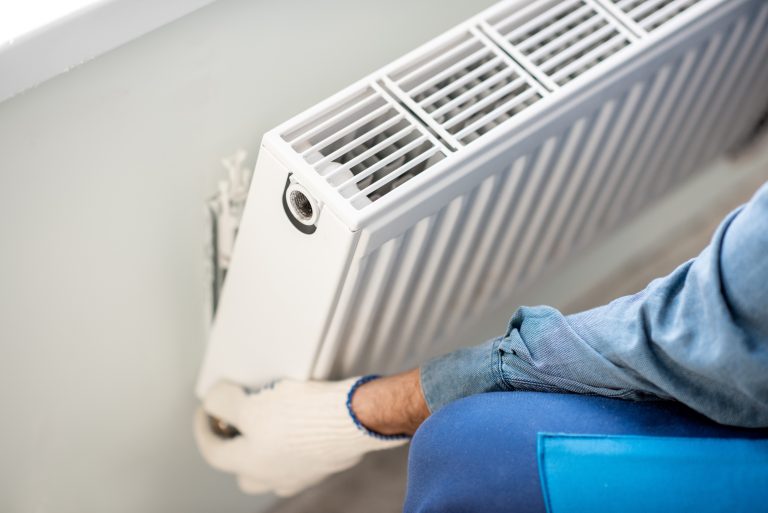
And when radiators are changed, the system should be flushed, dosed with inhibitor and properly balanced afterwards, with a magnetic filter fitted if there is not one already. New radiators plumbed into dirty water will be sludged up again within a few years.

Talk to us about your radiators

We install, replace and upgrade radiators across Halesowen, Stourbridge and the surrounding West Midlands — vertical radiators, designer panels, plinth heaters and full system upgrades. We will size them properly for the room rather than guessing from what is already on the wall. Call 0121 503 0066 or use our contact form.


You Should Never Know We Were There

Ask people what puts them off having heating work done and very few say the cost first. They say the disruption. The dust sheets that never appeared, the black water on the hall carpet, the brick dust trodden through the house, the old boiler left propped against the garden fence for a fortnight. Plenty of people put off a job they know needs doing because of what happened last time.

Clean working is not a nice extra on top of good engineering. It is part of it. Here is what it actually involves, so you know what to expect from us — and what to ask of anyone else you let into your home.

Heating work is messier than most trades, and that is the point

Fitting a kitchen makes sawdust. Heating work involves opening up a system that has been sitting closed for years. The water inside an older central heating system is not water as you would recognise it: it is black, it smells, and it is full of iron oxide sludge that stains carpet permanently on contact. Add lifted floorboards, drilling into brick, cutting a flue hole through an external wall and carrying a cast-iron boiler down a staircase, and you have a job with genuine potential to wreck a house.

Which is exactly why the preparation matters more here than almost anywhere else. A good engineer spends the first half-hour of a boiler swap not touching the boiler at all.

What good preparation looks like

  • Protection along the whole route, not just the work area. Sheets from the front door to the boiler, because the mess travels on boots and on the boiler being carried out.
  • Overshoes on, every time. Including the fourth trip back to the van.
  • Furniture moved properly and covered, not shuffled aside and worked around.
  • Doorways closed off before any cutting or drilling starts, so dust stays in one room.

The sludge problem, and how it should be handled

This is the one that ruins homes. Draining a heating system releases every bit of corrosion that has built up inside it over twenty years, and it does not come out politely. Done carelessly it goes on carpets, skirtings and grout, and it does not come out again.

Done properly, the system is drained through a hose run out to a drain outside, radiators are lifted and carried with the ends capped and a tray underneath, and anything that does escape is caught before it touches a floor. When we power flush a system, the machine and its waste stay contained. It is not complicated work, but it is the difference between a tidy job and a new carpet.

Dust, and the twenty minutes at the end

Cutting a flue hole through a cavity wall produces a remarkable amount of brick dust. It should be extracted at source and vacuumed as it is made — not swept up afterwards, which just moves it into the air and onto every surface in the room.

Then there is the part that separates the good jobs from the acceptable ones: the last twenty minutes. Hoovering the room properly rather than kicking the worst of it up. Wiping down the boiler casing and surrounding tiles. Putting the furniture back where it came from, not roughly nearby. Taking the old boiler, the old radiators, the packaging and every offcut away with us, on the day. Then walking round with you before we leave.

That is the standard we work to. When we finish a job, the only evidence we were in your house should be the thing we came to fit.

Why it matters beyond good manners

Tidiness on site tends to reflect tidiness in the work itself. An engineer who leaves a clean floor is usually the same engineer who clips pipework straight, boxes it in neatly, makes good around the flue properly and labels the controls. An engineer who does not care about your hall carpet is unlikely to care much about what the pipework looks like once the casing is on.

There is a safety dimension too. In properties built before 2000, drilling or cutting can disturb materials that need identifying first — Artex ceilings and some older flue components among them. A competent engineer knows to stop and assess rather than cut first and find out later. That habit of care is the same habit that puts the sheets down.

What to ask before you book anyone

  • Will you sheet the route in as well as the room you are working in?
  • How will you drain the system, and where does the old water go?
  • Are you taking the old boiler and packaging away on the day, or am I disposing of it?
  • Will you make good around the flue and the pipework?

Any engineer worth having will answer all four without hesitating, because they have thought about it before. A vague answer tells you what the finish will look like.

Heating work without the mess

We are a family-run, Gas Safe registered heating firm based in Halesowen, working across Stourbridge and the surrounding West Midlands. Which? Trusted Traders, with over 40 years of collective experience, and a great deal of that experience is in other people’s homes — which is why we treat them accordingly. Call 0121 503 0066 or use our contact form for a quote.


Why an Annual Boiler Service Is Worth Every Penny

Most people only think about their boiler on the morning it stops working. It is usually cold, it is usually a weekend, and the repair is usually more expensive than it needed to be. An annual service is the cheapest way to avoid that morning — and for many homeowners it is the difference between the manufacturer paying for a major repair and you paying for it.

1. Safety is the first reason, and it is not a formality

A gas boiler burns fuel inside your home. When something goes wrong with combustion or the flue, the by-product is carbon monoxide — a gas you cannot see, smell or taste. The Health and Safety Executive reports that around seven people a year die from carbon monoxide poisoning caused by gas appliances that were badly installed, poorly ventilated or simply not maintained. Many more are made ill without knowing why, because the symptoms look like a run of winter colds.

A service checks the things you cannot: combustion quality measured with a flue gas analyser, the flue and its seals, ventilation, gas pressure and tightness, the heat exchanger and burner, and every safety device. A carbon monoxide alarm is a sensible second line of defence, but it only tells you carbon monoxide is already in the room. A service stops it being produced.

2. Your warranty almost certainly depends on it

This is the one that catches people out. Modern boilers come with guarantees of ten years, and up to twelve on some models — but that cover is conditional.

Manufacturers require the boiler to be serviced every twelve months by a Gas Safe registered engineer, and recorded. Ideal Heating’s terms state that at the end of each twelve-month period following installation the boiler must be serviced by a Gas Safe registered engineer, or the warranty will lapse. Lapse means gone — not paused. If a major component fails in year six and you skipped the year-four service, that bill is yours.

Two things to watch: register the boiler within 30 days of installation or cover can drop to 12 months, and keep your Benchmark logbook stamped. If you ever claim, the manufacturer will ask for proof.

3. An unserviced boiler quietly costs you money

Heating is the biggest item on most energy bills, and a boiler running poorly does not announce it — it simply burns more gas for the same warmth, spread across twelve monthly payments where nobody notices. The usual causes are undramatic and easily corrected: poor combustion, a partially blocked condensate trap or heat exchanger, sludge circulating in the system, pressure set wrong, short cycling, or controls that have drifted out of calibration. None of these stop your heating working. All of them make it more expensive.

4. Small faults are cheap. The same faults a year later are not

Boilers rarely fail without warning. They fail after months of small symptoms nobody was looking for — pressure dropping each week, a slight weep on a fitting, a pump starting to sound tired. Replacing a seal or a failing diverter valve while it is still only failing is straightforward. Left alone, it takes out more expensive components with it, and it tends to pick December to do so.

There is a longer-term point too. Clean system water, correct pressure and healthy combustion protect the heat exchanger, pump and radiators. A boiler serviced every year stands a real chance of reaching the far end of its expected life. Servicing is not an expense competing with replacing your boiler — it is what puts that replacement off.

5. Insurers and cover providers expect to see it

Standard buildings and contents insurance does not usually cover boiler breakdown itself. Where it matters is the damage a failure causes, and the maintenance conditions in the small print. Most home insurance policies, boiler cover products and home emergency add-ons only pay out where the appliance has been reasonably maintained — generally taken to mean serviced annually, with records. Insurers routinely exclude wear, tear and neglect, and a boiler untouched for four years is an easy argument for them to make. Policies vary, so check yours: a lot of people pay a monthly premium for cover they have quietly invalidated.

Why yearly, and why book before winter

Twelve months is not arbitrary. It is the interval manufacturers design and warrant around, the interval Gas Safe Register advises, and the interval written into most warranty and insurance conditions. It also matches how faults develop: roughly a year for combustion to drift, deposits to build and inhibitor levels to fall away. Book between August and October and any fault is an inconvenience rather than a crisis — and you are not competing with the whole of the Black Country for an engineer in December.

One clarification worth making: a landlord gas safety check (CP12) is a legal safety inspection for rented property, not a service. It does not include the maintenance work above. Landlords usually need both, and they are best done on the same visit.

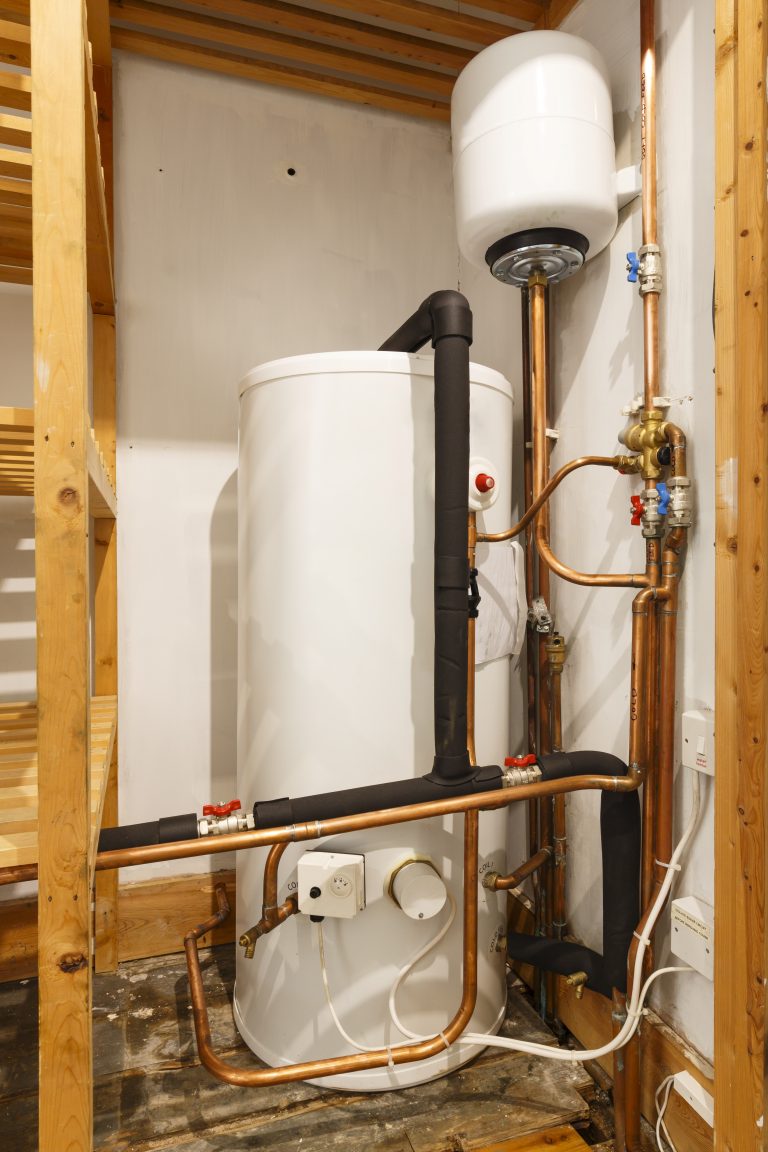
It is not only boilers, either. Ducted warm air systems — very common around Halesowen and Stourbridge — should be serviced yearly without exception, and Johnson & Starley units need an engineer who knows them. Gas range cookers and unvented hot water cylinders have their own annual requirements too.

Book your annual service with GasSafe1

We are a family-run, Gas Safe registered heating firm in Halesowen with over 40 years of collective experience across Halesowen, Stourbridge and the surrounding West Midlands. Which? Trusted Traders and Ideal accredited installers, servicing boilers, warm air systems, unvented cylinders and range cookers.

You get a thorough service, a clear written record for your warranty, and straight advice about anything we find. Call 0121 503 0066 or use our contact form to book.